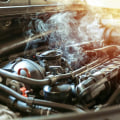
Maintaining a reliable vehicle requires more than occasional repairs or routine servicing. Preventive maintenance and roadside assistance work together to protect motorists from unexpected mechanical problems and transportation disruptions. While regular inspections help identify potential issues before they become serious, roadside services provide essential support when emergencies occur. Combining these approaches allows drivers to improve vehicle reliability, reduce unnecessary expenses, and maintain confidence during everyday commuting or long-distance travel. A comprehensive vehicle care strategy promotes safety, efficiency, and long-term automotive performance.
Preventing Mechanical Problems Through Regular Maintenance
Preventive vehicle maintenance involves inspecting, servicing, and replacing essential components before significant mechanical failures develop. Common maintenance tasks include oil changes, tire inspections, brake evaluations, battery testing, and fluid replacements.
Following manufacturer-recommended maintenance schedules helps reduce component deterioration and supports consistent vehicle performance.
Professional technicians can also identify warning signs such as unusual noises, fluid leaks, and irregular engine operation. Addressing these concerns promptly reduces the likelihood of unexpected breakdowns and costly repairs.
Providing Emergency Support When Breakdowns Occur
Despite consistent maintenance, vehicles can still experience unexpected mechanical difficulties. Flat tires, battery failures, overheating, and electrical malfunctions may occur without warning.
Professional roadside assistance provides practical solutions during these situations. Providers such as Road Angel Towing and Roadside Service can be valuable resources when motorists encounter unexpected transportation emergencies.
Depending on service availability, roadside assistance may include jump-starts, tire changes, lockout support, and emergency towing. Access to dependable assistance helps drivers respond appropriately without attempting potentially unsafe repairs.
Improving Driver Safety and Emergency Preparedness
Preventive maintenance supports safe vehicle operation by keeping critical components functioning correctly. Properly maintained brakes, tires, steering systems, and lighting equipment help reduce driving hazards.
Roadside assistance adds another level of protection when mechanical failures occur in unfamiliar or potentially dangerous locations.
Drivers should maintain emergency contact information, carry basic safety supplies, and understand appropriate roadside procedures.
Reducing Long-Term Vehicle Ownership Expenses
Combining routine maintenance with roadside assistance can help motorists manage automotive expenses more effectively. Preventive inspections reduce the likelihood of major repairs, while emergency support may limit unexpected towing costs.
Reviewing roadside coverage options also helps drivers understand available benefits and potential service limitations.
Supporting Long-Term Vehicle Reliability
Responsible vehicle ownership requires consistent attention to maintenance needs and unexpected transportation risks. Keeping accurate service records and scheduling professional inspections contributes to dependable performance.
Roadside assistance complements these efforts by offering support when preventive measures cannot eliminate every mechanical problem.
Creating a More Confident Driving Experience
A well-maintained vehicle and dependable emergency assistance provide motorists with greater peace of mind.
Ultimately, combining preventive vehicle care with professional roadside support helps protect automotive investments, minimize travel disruptions, and promote safer, more reliable transportation experiences.