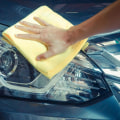
Maintaining the aesthetic appeal of your vehicle is not just about keeping it clean; it also involves understanding the various factors that can lead to car paint damage. Over time, exposure to environmental elements, road debris, and even improper washing techniques can compromise the integrity of your car's paint. Recognizing these causes of paint damage is crucial for any car owner who values their investment and wants to ensure its longevity. One of the most common culprits of paint damage is UV radiation. Prolonged exposure to sunlight can cause the paint to fade and lose its luster, making your vehicle look older than it is.
Additionally, contaminants such as bird droppings, tree sap, and industrial fallout can etch into the paint surface if not addressed promptly. These elements not only mar the appearance but can also lead to more severe issues like rust if they penetrate the protective layers. To combat these threats, implementing effective car protection strategies is essential. This includes regular washing with appropriate products, applying wax or sealants, and considering protective coatings that can shield your vehicle from harmful elements. By understanding the common causes of paint damage and taking proactive measures, you can preserve your car's finish and maintain its value for years to come.
Environmental Factors Contributing to Paint Damage
When it comes to car protection, understanding the environmental factors that contribute to paint damage is crucial.Various elements in our surroundings can significantly affect the integrity of a vehicle's paint job, leading to deterioration over time.
UV Rays
One of the most damaging environmental factors is ultraviolet (UV) rays. Prolonged exposure to sunlight can cause the paint to fade and lose its luster. UV rays break down the chemical bonds in the paint, leading to oxidation and a dull appearance. This is particularly problematic for cars that are parked outdoors for extended periods without any protective covering.Acid Rain
Acid rain is another significant threat to automotive paint.It forms when pollutants in the atmosphere combine with moisture, resulting in rain that has a lower pH level. When acid rain falls on a car's surface, it can etch into the paint, creating spots and discoloration. Over time, this can lead to more severe damage if not addressed promptly.
Bird Droppings
While it may seem trivial, bird droppings can be incredibly corrosive to car paint. The high acidity of bird waste can eat away at the clear coat and paint layer if left untreated.It's essential for car owners to clean off any droppings as soon as possible to prevent long-term damage.To mitigate these environmental risks, investing in high-quality car protection products such as waxes, sealants, or ceramic coatings can be beneficial. These protective layers act as a barrier against harmful elements, helping to preserve the vehicle's appearance and value over time.
Physical Damage: Scratches and Dents
Physical damage to a car's exterior is one of the most common causes of paint damage. Everyday encounters with other vehicles, shopping carts, or even flying debris can lead to unsightly scratches and dents that compromise the integrity of your car's paint job. Understanding these risks is crucial for effective car protection.Common Sources of Scratches and Dents:
- Parking Lot Incidents: Collisions with other cars or shopping carts in crowded parking lots are frequent culprits.
A moment of inattention can result in deep scratches or even dents.
- Road Debris: Small rocks, gravel, and other debris kicked up by vehicles can cause significant damage to your car's paint. Even minor impacts can lead to chips that expose the underlying metal.
- Weather Conditions: Hailstorms can create numerous dents on your vehicle's surface, while branches or other objects blown by strong winds can scratch the paint.
- Improper Washing Techniques: Using abrasive materials or harsh chemicals during car washes can inadvertently scratch the paint, leading to long-term damage.
Protective coatings
, such as ceramic or polymer sealants, create a barrier that not only enhances the shine of your vehicle but also provides a layer of defense against physical impacts. These coatings can help absorb minor shocks and prevent scratches from becoming deeper issues.Additionally, regular maintenance and inspections can help identify potential problem areas before they escalate into significant damage.By being proactive about car protection, you can preserve your vehicle's appearance and value for years to come.
Chemical Damage: The Role of Cleaning Products
When it comes to car protection, understanding the impact of cleaning products on your vehicle's paint is crucial. Many car owners may not realize that certain chemicals found in everyday cleaning products can lead to chemical damage on car paint, resulting in dullness, discoloration, or even peeling.Common household cleaners, such as those containing ammonia or bleach, can be particularly harmful. These substances can strip away protective wax layers and damage the clear coat, which is essential for maintaining the integrity of your car's finish. Additionally, products that are not specifically designed for automotive use may contain abrasive agents that can scratch or mar the surface.Safe Alternatives for Car Cleaning
To ensure your vehicle remains in pristine condition, consider using car-specific cleaning products.These are formulated to be gentle on paint while effectively removing dirt and grime. Look for:
- pH-balanced car shampoos that clean without stripping wax.
- Detailing sprays designed to enhance shine and provide a protective layer.
- Microfiber cloths to prevent scratches during the cleaning process.
- Wax: Primarily used to provide a protective barrier against environmental elements. It helps repel water and UV rays, preserving the paint's shine.
- Polish: Designed to remove imperfections from the paint surface, such as swirl marks and light scratches.
It often contains abrasives that can wear down the clear coat if used excessively.
Improper Maintenance Practices
Maintaining your vehicle's exterior is crucial for preserving its paint quality and overall appearance. However, improper maintenance practices can lead to significant paint damage over time. Here are some common mistakes to avoid:- Using the Wrong Washing Techniques: Many car owners use household cleaning products or abrasive sponges that can scratch the paint.
Always opt for car-specific soaps and soft microfiber cloths to prevent damage.
- Neglecting Regular Washes: Dirt, grime, and road salt can accumulate on your car's surface, leading to corrosion and paint deterioration. Regular washing, ideally every two weeks, helps maintain a protective barrier.
- Skipping Waxing: Waxing your car not only enhances its shine but also provides a protective layer against environmental contaminants. Failing to wax regularly can expose the paint to UV rays and pollutants.
- Improper Drying Techniques: Rubbing your car dry with a rough towel can cause micro-scratches. Instead, use a soft drying towel or a blower designed for automotive use.
- Ignoring Detailing Mistakes: DIY detailing can be tempting, but using the wrong products or techniques can lead to more harm than good.
For instance, using a clay bar incorrectly can mar the paint surface.
- Invest in Quality Products: Use high-quality car wash soaps, waxes, and detailing supplies specifically designed for automotive care.
- Follow a Routine Maintenance Schedule: Establish a regular washing and waxing schedule to keep your vehicle in top condition.
- Seek Professional Help: If you're unsure about detailing techniques or products, consider hiring professionals who specialize in car care.
The Impact of Weather Conditions on Car Paint
Weather conditions play a significant role in the longevity and appearance of your car's paint. Understanding how different elements can affect your vehicle's exterior is crucial for effective car protection.Winter Damage and Car Protection
During winter, the combination of snow, ice, and road salt can be particularly damaging.Road salt
is used to melt ice but can lead to corrosion and paint damage if not properly washed off. Additionally, the freezing temperatures can cause the paint to become brittle, making it more susceptible to chips and scratches.- Regular washing: Ensure you wash your car frequently during winter months to remove salt and grime.
- Waxing: Applying a high-quality wax can create a protective barrier against harsh winter elements.
- Garage storage: Whenever possible, park your car in a garage to shield it from extreme cold and precipitation.
Summer Heat and Paint Issues
Conversely, summer heat presents its own set of challenges.Prolonged exposure to intense sunlight can lead to fading, while high temperatures can cause the paint to expand and contract, potentially leading to cracks.
- Use of car covers: Invest in a breathable car cover that protects against UV rays when parked outdoors.
- Regular detailing: Frequent detailing not only cleans but also applies protective coatings that help resist UV damage.
- Avoid parking in direct sunlight: Whenever possible, park in shaded areas or use sunshades inside the vehicle.
Protective Measures: How to Safeguard Your Car's Paint
Protecting your car's paint is essential for maintaining its aesthetic appeal and resale value. There are several effective car paint protection methods that can help shield your vehicle from damage caused by environmental factors, road debris, and everyday wear and tear.- Waxing: One of the most traditional methods of paint protection, waxing creates a barrier against UV rays, dirt, and moisture. Regular waxing can enhance the shine of your car while providing a temporary shield against minor scratches.
- Sealing: Unlike wax, which typically lasts a few weeks, paint sealants offer longer-lasting protection.
These synthetic products bond with the paint surface, providing a durable layer that can withstand harsher conditions. Sealants are ideal for those looking for extended protection without frequent reapplication.
- Ceramic Coating: For superior protection, consider investing in a ceramic coating. This advanced technology forms a chemical bond with the vehicle's paint, creating a hydrophobic surface that repels water and contaminants. The benefits of ceramic coatings include enhanced gloss, resistance to UV rays, and protection against chemical stains.
Waxing is great for those who enjoy regular maintenance and want a high-gloss finish, while sealing is better suited for individuals seeking long-term protection with less frequent upkeep.Ultimately, the right choice depends on your lifestyle and how often you drive your vehicle. Regardless of the method you choose, implementing these protective measures will significantly reduce the risk of paint damage and keep your car looking its best for years to come.
FAQs About Car Paint Damage and Protection
When it comes to car protection, understanding the common causes of paint damage is essential for maintaining your vehicle's appearance and value. Here are some frequently asked questions regarding paint damage and how to protect your car:What are the most common causes of paint damage on cars?
- Environmental Factors: Exposure to UV rays, acid rain, and bird droppings can lead to fading and etching of the paint surface.
- Physical Damage: Scratches from branches, car doors, or shopping carts can compromise the paint layer.
- Chemical Exposure: Road salt, gasoline spills, and harsh cleaning products can deteriorate the paint over time.
- Poor Maintenance: Neglecting regular washes and waxes can allow dirt and grime to build up, leading to paint damage.
How can I protect my car's paint?
- Regular Washing: Keep your car clean by washing it regularly to remove contaminants that can harm the paint.
- Waxing: Applying a high-quality wax every few months creates a protective barrier against environmental elements.
- Paint Protection Film: Consider investing in a clear bra or paint protection film that shields your car from scratches and chips.
- Garage Storage: Whenever possible, park your car in a garage or use a car cover to protect it from the elements.
Conclusion: Key Takeaways on Car Protection Against Paint Damage
In summary, protecting your vehicle's paint is crucial to maintaining its aesthetic appeal and resale value. Understanding the common causes of paint damage can help you take proactive measures to safeguard your car. Here are the key takeaways regarding car protection against paint damage:- Environmental Factors: Exposure to harsh weather conditions, such as UV rays, acid rain, and extreme temperatures, can lead to fading and deterioration of your car's paint.
Regular washing and waxing can mitigate these effects.
- Physical Damage: Scratches from road debris, tree branches, or even careless handling can compromise the paint surface. Using protective films or coatings can provide an additional layer of defense.
- Chemical Exposure: Substances like bird droppings, tree sap, and industrial fallout can cause significant harm if not removed promptly. It’s essential to clean these contaminants off your vehicle as soon as possible.
- Improper Maintenance: Neglecting regular maintenance routines, such as washing and waxing, can lead to a buildup of dirt and grime that damages the paint over time. Establishing a consistent care schedule is vital.
Investing in quality products and services will not only enhance your vehicle's appearance but also extend its lifespan.