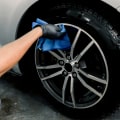
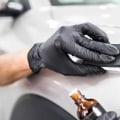
When it comes to maintaining the aesthetic appeal and longevity of your vehicle, car protection is paramount. Every day, your car is exposed to a myriad of environmental factors such as UV rays, acid rain, bird droppings, and road grime that can lead to paint damage and deterioration. Understanding the importance of protecting your vehicle's exterior is the first step in ensuring it remains in pristine condition for years to come. One effective method of safeguarding your car's paintwork is through the use of a paint sealant. Unlike traditional waxes, which provide a temporary layer of protection, paint sealants offer a more durable solution that bonds with the paint surface.
This advanced form of vehicle care not only enhances the shine but also creates a barrier against harmful contaminants. By investing in a quality paint sealant, you are not just preserving your car's appearance; you are also extending its lifespan and maintaining its resale value. In this article, we will delve deeper into the various benefits of using a paint sealant for car protection. From its long-lasting effects to its ease of application, understanding these advantages will empower you to make informed decisions about how best to care for your vehicle.
What is Paint Sealant?
Paint sealant is a synthetic product designed to provide a protective layer over a vehicle's paint surface. Unlike traditional wax, which is derived from natural carnauba or other waxes, paint sealants are formulated using advanced polymers and resins.This composition allows them to bond more effectively with the paint, creating a durable shield that can withstand various environmental factors.One of the primary differences between paint sealants and wax is their longevity. While wax typically lasts for a few weeks to a couple of months, paint sealants can offer protection for six months to a year or even longer, depending on the product and conditions. This extended durability makes paint sealants an attractive option for car enthusiasts and everyday drivers alike.
Types of Paint Sealants
- Polymer Sealants: These are the most common type of paint sealant, utilizing synthetic polymers to create a strong bond with the paint surface. They provide excellent protection against UV rays, dirt, and contaminants.
- Hybrid Sealants: Combining the benefits of both wax and polymer sealants, hybrid products offer a unique blend of shine and durability.
They often contain natural waxes along with synthetic ingredients for enhanced performance.
- Spray Sealants: These are user-friendly options that can be quickly applied and are ideal for those looking for convenience. Spray sealants may not last as long as traditional paste or liquid sealants but are great for maintenance between more thorough applications.
Key Benefits of Using Paint Sealant for Car Protection
Using a paint sealant for car protection offers numerous advantages that can significantly enhance the longevity and appearance of your vehicle. Below are some key benefits:- Enhanced Protection Against Environmental Factors: Paint sealants create a robust barrier that shields your car's paint from harmful elements such as dirt, road grime, and bird droppings.
This protective layer helps prevent corrosion and oxidation, ensuring your vehicle maintains its aesthetic appeal over time.
- UV Ray Defense: One of the most significant threats to your car's paint is exposure to ultraviolet (UV) rays. Paint sealants contain UV inhibitors that help protect the paint from fading and discoloration caused by prolonged sun exposure. This is particularly beneficial for those living in sunny climates.
- Scratch Resistance: While no product can make your car completely scratch-proof, a quality paint sealant can provide an additional layer of defense against minor scratches and swirl marks. This is especially important for maintaining the pristine look of your vehicle.
- Ease of Cleaning: The smooth surface created by a paint sealant makes it easier to wash and maintain your car.
Dirt and grime are less likely to adhere to the surface, allowing for quicker and more efficient cleaning sessions.
- Long-Lasting Results: Unlike traditional wax, which may need to be reapplied every few weeks, paint sealants can last for several months, providing long-term protection with less frequent maintenance. This not only saves time but also ensures consistent protection.
Long-lasting Protection: How Paint Sealants Outperform Traditional Wax
When it comes to car protection, the choice between paint sealants and traditional waxes can significantly impact the longevity and appearance of your vehicle's finish. While both products aim to protect your car's paint, paint sealants offer distinct advantages that make them a superior option for long-lasting protection.Durability of Paint Sealants
One of the primary benefits of using a paint sealant is its remarkable durability.
Unlike traditional wax, which typically lasts for a few weeks to a couple of months, paint sealants can provide protection for up to six months or longer. This extended lifespan is due to the synthetic polymers used in sealants, which bond more effectively with the vehicle's paint surface.
Paint Sealant vs Wax
- Longevity: Paint sealants are engineered to withstand harsher environmental conditions, including UV rays, acid rain, and road grime, making them ideal for long-term use.
- Ease of Application: While both products require proper application techniques, paint sealants often go on smoother and can be easier to buff out than traditional waxes.
- Protection Level: Paint sealants create a thicker protective layer that not only enhances shine but also provides better resistance against scratches and contaminants.
With their enhanced durability, ease of application, and superior protective qualities, paint sealants ensure that your vehicle remains in pristine condition while saving you time and effort in maintenance.
Ease of Application and Maintenance
Applying a paint sealant for car protection is a straightforward process that can be accomplished by both professionals and DIY enthusiasts. Unlike traditional waxes, which can be labor-intensive and require multiple applications, paint sealants are designed for ease of use and long-lasting results.How to Apply Paint Sealant
The application of paint sealant typically involves the following steps:- Preparation: Start by washing your car thoroughly to remove dirt, grime, and old wax residues. Dry the surface completely to ensure optimal adhesion.
- Application: Using a foam applicator pad, apply a small amount of paint sealant to the pad. Work in small sections, applying the sealant in a circular motion to ensure even coverage.
- Curing: Allow the sealant to cure as per the manufacturer's instructions, usually around 15-30 minutes.
This step is crucial for achieving maximum durability.
- Buffing: Once cured, use a microfiber cloth to buff the surface gently, revealing a glossy finish that enhances your car's appearance.
Maintenance of Paint Sealant
One of the significant advantages of using a paint sealant is its low maintenance requirement. Unlike wax, which may need reapplication every few weeks, paint sealants can last for several months—often up to six months or more—depending on environmental conditions and care.To maintain your paint sealant effectively:- Regular Washing: Wash your car regularly with a pH-balanced car shampoo to avoid degrading the sealant.
- Avoid Harsh Chemicals: Steer clear of abrasive cleaners or harsh chemicals that can strip away the protective layer.
- Periodic Inspection: Check the surface periodically for any signs of wear or damage. If you notice a decrease in gloss or water beading, it may be time for reapplication.
Cost-Effectiveness of Paint Sealants in the Long Run
When considering car protection, the cost-effectiveness of paint sealants emerges as a significant factor. While the initial investment in a quality paint sealant may seem higher than traditional waxes or other protective measures, the long-term benefits often outweigh these upfront costs.Initial Investment vs.
Long-Term Savings
- Paint sealants typically range from $50 to $150 for professional application, depending on the product and service provider.
- In contrast, high-quality waxes may cost less initially but require frequent reapplication, leading to higher cumulative expenses over time.
Value Beyond Protection
- Enhanced Resale Value: A well-maintained exterior protected by a paint sealant can enhance the resale value of your vehicle. Potential buyers are often willing to pay more for a car that shows minimal signs of wear and tear.
- Time Savings: The ease of maintenance with paint sealants means less time spent cleaning and more time enjoying your vehicle.
- Environmental Resistance: Paint sealants provide superior resistance against environmental contaminants such as bird droppings, tree sap, and UV rays, which can degrade paint over time.
Common Misconceptions About Paint Sealants
When it comes to car protection, there are several myths and misconceptions about paint sealants that can lead to confusion among car owners.Understanding the facts can help you make informed decisions about protecting your vehicle's finish.
- Myth 1: Paint sealants are the same as wax. While both products serve to protect your car's paint, they are not identical. Paint sealants are synthetic and provide a longer-lasting barrier against environmental contaminants compared to traditional wax, which is natural and tends to wear off more quickly.
- Myth 2: Paint sealants are only for new cars. This is not true. While new cars benefit greatly from paint sealants, older vehicles can also see significant improvements in their appearance and protection. Applying a sealant can rejuvenate the look of faded paint and provide a protective layer against further damage.
- Myth 3: Once applied, paint sealants require no maintenance. Although paint sealants offer long-lasting protection, they still require some level of maintenance.
Regular washing and occasional reapplication will ensure that the protective layer remains effective over time.
- Myth 4: Paint sealants are too expensive. While the initial cost may seem higher than traditional wax, the longevity and effectiveness of paint sealants often make them a more economical choice in the long run. Investing in a quality sealant can save you money on frequent reapplications and repairs due to paint damage.
Frequently Asked Questions About Paint Sealants and Car Protection
When considering paint sealants for car protection, many car owners have questions about their effectiveness and application. Here are some frequently asked questions that can help clarify the benefits and usage of paint sealants.What is a paint sealant?
A paint sealant is a synthetic product designed to provide a protective layer over your vehicle's paint.Unlike traditional wax, which is made from natural carnauba, paint sealants are formulated with polymers that bond to the paint surface, offering long-lasting protection against environmental contaminants.
How does a paint sealant protect my car?
- UV Protection: Paint sealants shield your car's paint from harmful UV rays that can cause fading and oxidation.
- Chemical Resistance: They provide a barrier against acidic contaminants like bird droppings, tree sap, and road salt.
- Hydrophobic Properties: Many sealants repel water, making it harder for dirt and grime to adhere to the surface.
How long does paint sealant last?
The longevity of a paint sealant can vary based on factors such as the product used, environmental conditions, and maintenance. Generally, a high-quality paint sealant can last anywhere from six months to two years before needing reapplication.Can I apply paint sealant myself?
Yes, applying paint sealant is a straightforward process that many car owners can do themselves. Ensure the car's surface is clean and dry before applying the sealant in thin, even layers. Follow the manufacturer's instructions for best results.Is paint sealant better than wax?
While both wax and paint sealants offer protection, paint sealants typically provide longer-lasting results and superior protection against environmental factors.Wax may enhance shine but often requires more frequent reapplication.If you have more questions about car protection, feel free to reach out to professionals or consult product reviews to find the best solutions for your vehicle's needs.
Conclusion: The Importance of Paint Sealant in Your Car Care Routine
In conclusion, incorporating a paint sealant into your car care routine is essential for maintaining optimal car protection. Throughout this article, we have explored the numerous benefits that paint sealants offer, from enhancing the aesthetic appeal of your vehicle to providing a robust barrier against environmental contaminants. One of the most significant advantages of using a paint sealant is its ability to create a long-lasting protective layer. This layer not only shields your car's paint from harmful UV rays but also prevents oxidation and fading, ensuring that your vehicle retains its showroom shine for years to come. Additionally, paint sealants are designed to repel water, dirt, and grime, making it easier to keep your car clean and reducing the frequency of washes. Moreover, the application of a paint sealant can save you money in the long run.By protecting your car's exterior, you minimize the risk of costly paint repairs and maintain a higher resale value. A well-maintained vehicle with a glossy finish is more appealing to potential buyers, which can significantly impact your selling price. Furthermore, using a paint sealant is a straightforward process that can be easily integrated into your regular maintenance schedule. Whether you choose to apply it yourself or seek professional help, the results are well worth the effort. In summary, prioritizing paint sealant in your vehicle maintenance not only enhances car protection but also contributes to the overall longevity and appearance of your car. As you consider your next steps in car care, remember that investing in a quality paint sealant is an investment in your vehicle's future.