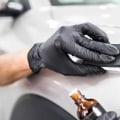
In today's fast-paced world, car protection has become more crucial than ever. With vehicles facing a myriad of threats—from harsh weather conditions to environmental pollutants—ensuring their longevity and maintaining their value is a top priority for many car owners. Understanding the importance of car protection is essential not only for preserving the aesthetic appeal of your vehicle but also for safeguarding its mechanical integrity. A car cover serves as a first line of defense against various elements that can cause damage over time. Whether it's the scorching sun that can fade paint, rain that leads to rust, or debris that can scratch the surface, a quality car cover provides a protective barrier.
This simple yet effective solution not only shields your vehicle from physical harm but also helps in maintaining its resale value by keeping it in pristine condition. Moreover, investing in a car cover is not just about protection; it's about peace of mind. Knowing that your vehicle is safeguarded against unforeseen circumstances allows you to enjoy your car without constant worry. As we delve deeper into the benefits of using a car cover, it becomes clear that this investment is not merely an accessory but a vital component of comprehensive car protection.
What is a Car Cover?
A car cover is a protective layer designed to shield your vehicle from various environmental factors, such as UV rays, rain, snow, dust, and debris. By using a car cover, you can significantly enhance your vehicle's longevity and maintain its aesthetic appeal.Types of Car Covers
- Indoor Car Covers: These are lightweight and breathable, ideal for protecting vehicles stored in garages or under carports.
They prevent dust accumulation and minor scratches.
- Outdoor Car Covers: Built to withstand harsher conditions, outdoor covers are typically made from durable materials that resist water and UV damage. They are perfect for vehicles parked outside.
- All-Weather Car Covers: These versatile covers combine features of both indoor and outdoor options, providing protection against a variety of weather conditions.
Car Cover Materials
The effectiveness of a car cover largely depends on the materials used in its construction. Here are some common materials:- Polyester: Known for its durability and resistance to tearing, polyester is often coated with a waterproof layer to enhance protection against moisture.
- Breathable Fabrics: These materials allow moisture to escape while preventing dust and dirt from entering, making them suitable for indoor use.
- Waterproof Materials: Typically made from polyethylene or similar substances, these covers provide excellent protection against rain and snow but may lack breathability.
Protection from Environmental Elements
One of the primary benefits of using a car cover is its ability to provide protection from environmental elements.Vehicles are constantly exposed to various weather conditions that can cause significant damage over time. A quality car cover acts as a barrier against these elements, ensuring your vehicle remains in optimal condition.
Weather Protection
Extreme weather can wreak havoc on your car's exterior. For instance, UV rays from the sun can fade paint and damage the interior materials. A car cover designed with UV protection helps to shield your vehicle from these harmful rays, preserving its color and finish.Rain and Snow Benefits
Rain and snow can lead to rust and corrosion if left unchecked.A waterproof car cover prevents moisture from accumulating on the surface of your vehicle, significantly reducing the risk of rust formation. Additionally, during winter months, a car cover can protect against snow accumulation, making it easier to clear off your vehicle when you're ready to drive.
Protection Against Hail
Hail can cause dents and scratches that may require costly repairs. Using a car cover provides an extra layer of protection against hail damage, absorbing the impact and preventing direct contact with your vehicle's surface.In summary, investing in a car cover is a smart choice for anyone looking to enhance their car protection. By safeguarding against UV rays, rain, snow, and hail, you not only maintain the aesthetic appeal of your vehicle but also extend its lifespan.Preventing Physical Damage
One of the primary benefits of using a car cover is its ability to prevent physical damage to your vehicle.Whether parked in a garage or outside, cars are constantly exposed to various elements that can lead to scratches, dents, and other forms of damage.
Scratch Prevention
- Debris such as tree branches, leaves, and dirt can easily scratch the surface of your car. A high-quality car cover acts as a protective barrier, shielding the paint from these potential hazards.
- Even minor contact with objects can leave unsightly marks. By covering your vehicle, you significantly reduce the risk of scratches caused by accidental brushes with nearby items.
Dent Prevention
- Parking lots and driveways are often crowded, increasing the likelihood of door dings and dents from other vehicles. A car cover provides an extra layer of protection against such incidents.
- Wind can also cause objects to fly into your car, leading to dents.
A secure car cover keeps your vehicle safe from these unpredictable elements.
- UV rays: Prolonged exposure to sunlight can fade paint and damage the interior. A car cover with UV protection helps maintain your vehicle's appearance.
- Weather conditions: Rain, snow, and hail can cause significant harm. A waterproof or weather-resistant car cover ensures that your vehicle remains dry and protected from harsh conditions.
By preventing scratches, dents, and other physical damages, you not only preserve the look of your car but also enhance its resale value over time.
Deterring Theft and Vandalism
When it comes to car protection, one of the often-overlooked benefits of using a car cover is its ability to deter theft and vandalism. A well-fitted car cover can act as a visual barrier, making it less appealing for potential thieves and vandals to target your vehicle.Visual Deterrent
- Thieves typically look for easy targets. A covered car may signal that the owner is taking extra precautions, which can discourage them from attempting a break-in.
- A car cover can obscure valuable items inside the vehicle, making it less likely that a thief will be tempted to investigate further.
Enhanced Security Features
- Many modern car covers come equipped with security features such as lockable straps or alarms that can further enhance your vehicle's safety.
- Some covers are made from materials that are difficult to cut or tear, adding an additional layer of protection against vandalism.
Protection Against Vandalism
- In urban areas where vandalism is more prevalent, a car cover can shield your vehicle from scratches, graffiti, and other forms of damage.
- By concealing your car, you reduce the likelihood of it being targeted for pranks or malicious acts.
Cost-Effectiveness of Car Covers
Investing in a car cover is not just about protecting your vehicle; it’s also a cost-effective strategy that can save you significant amounts of money in the long run.When considering the cost of car covers versus potential repair expenses, the benefits become clear.Car covers typically range in price from $30 to $300, depending on the material and features. In contrast, the costs associated with repairing damage caused by environmental factors—such as UV rays, rain, snow, and bird droppings—can quickly add up. For instance:
- Paint Damage: A full repaint can cost anywhere from $500 to $3,000.
- Interior Damage: Replacing sun-damaged upholstery can set you back $200 to $1,000.
- Windshield Repairs: Fixing chips or cracks can cost between $50 and $300.
This added layer of protection means fewer trips to the mechanic and more money saved over time.In essence, purchasing a car cover is not merely an expense; it’s an investment in car protection. By safeguarding your vehicle from various elements and potential damages, you are ensuring its longevity and maintaining its value. In the competitive automotive market, preserving your car's condition can lead to better resale value down the line.Ultimately, when weighing the costs of car covers against potential repair bills, it becomes evident that investing in a car cover is a wise financial decision that offers both immediate and long-term benefits.
Choosing the Right Car Cover for Your Needs
When it comes to car protection, selecting the right car cover is crucial for ensuring your vehicle remains in optimal condition. Here are some key factors to consider when choosing a car cover:- Climate Considerations: Different climates require different types of car covers.
For instance, if you live in a region with heavy snowfall, a cover that offers insulation and waterproofing is essential. Conversely, in hot and sunny areas, a breathable cover that reflects UV rays will help prevent paint damage.
- Material Quality: The material of the car cover plays a significant role in its effectiveness. Look for covers made from high-quality fabrics that provide durability and protection against scratches, dust, and moisture. Common materials include polyester, nylon, and cotton blends.
- Size and Fit: A well-fitted car cover is vital for maximum protection.
Measure your vehicle accurately and choose a cover that fits snugly without being too tight. Many manufacturers offer specific sizes for different makes and models.
- Indoor vs. Outdoor Use: Determine whether you need a cover for indoor or outdoor use. Indoor covers are typically lighter and designed to protect against dust and minor scratches, while outdoor covers are built to withstand harsher elements like rain, snow, and wind.
- Additional Features: Some car covers come with extra features such as reinforced seams, elastic hems for a secure fit, or even built-in security features to prevent theft.
Consider these options based on your specific needs.
FAQs About Car Covers and Protection
When considering car protection, many car owners have questions about the effectiveness and safety of using a car cover. Here are some frequently asked questions that can help clarify these concerns.Do Car Covers Scratch Paint?
One of the most common worries among car owners is whether a car cover can scratch the paint. The answer largely depends on the quality of the cover and how it is used.High-quality car covers are designed with soft inner linings that prevent scratches. However, if a cover is not properly fitted or if dirt and debris get trapped between the cover and the car, it can lead to scratches. To minimize this risk, always ensure your vehicle is clean before covering it and choose a cover that fits snugly.
How Often Should I Use a Car Cover?
The frequency of using a car cover depends on your specific circumstances. If you park your car outdoors regularly, it’s advisable to use a cover every time you park.This protects against environmental factors such as UV rays, rain, and bird droppings, which can damage your vehicle's exterior over time. For those who park in garages or covered areas, using a car cover may be less frequent but can still provide an extra layer of protection against dust and accidental scratches.
Additional Considerations
- Material Matters: Choose a breathable material to prevent moisture buildup, which can lead to mold and mildew.
- Weather Conditions: In areas with extreme weather, using a car cover becomes even more critical for car protection.
- Storage: When not in use, store your car cover in a clean, dry place to maintain its condition.
Conclusion: The Value of Investing in Car Protection
In conclusion, investing in a car cover is a crucial step towards ensuring optimal car protection. Throughout this article, we have explored various benefits that highlight the importance of using a car cover, from shielding your vehicle against harsh weather conditions to preventing damage from environmental pollutants.One of the most significant advantages of a car cover is its ability to protect your vehicle's exterior. By acting as a barrier against UV rays, rain, snow, and debris, a quality car cover can help maintain the paint's integrity and prevent rust formation.This not only enhances the aesthetic appeal of your car but also preserves its resale value.Moreover, a car cover can deter theft and vandalism. When your vehicle is covered, it becomes less visible and less appealing to potential thieves. This added layer of security can provide peace of mind, especially in urban areas where vehicle crime rates are higher.Additionally, using a car cover can save you money in the long run. Regular maintenance and detailing can be costly, but by protecting your vehicle with a cover, you reduce the frequency of these services.
This means fewer trips to the auto shop and more savings in your pocket.Ultimately, the value of investing in car protection through a quality car cover cannot be overstated. It is an affordable solution that offers numerous benefits, ensuring that your vehicle remains in top condition for years to come. Whether you park indoors or outdoors, a car cover is an essential accessory for any car owner looking to safeguard their investment.