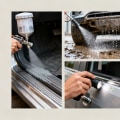
When it comes to maintaining the longevity and aesthetic appeal of your vehicle, car protection plays a crucial role. This concept encompasses various methods and products designed to shield your car from environmental hazards, such as UV rays, dirt, and harsh weather conditions. Understanding the significance of protecting your car is essential for any vehicle owner who wishes to preserve its value and appearance over time. One of the primary reasons to invest in car protection is to prevent damage that can lead to costly repairs. Elements like acid rain, bird droppings, and tree sap can wreak havoc on your car's paint job if left unaddressed.
By implementing protective measures, you not only enhance the visual appeal of your vehicle but also extend its lifespan. Regular maintenance, including waxing, serves as a barrier against these damaging agents. The benefits of car protection extend beyond mere aesthetics. A well-protected vehicle can maintain a higher resale value, making it a wise investment for the future. Additionally, many protective products offer features such as hydrophobic properties that repel water, making it easier to clean your car and reducing the frequency of washes.
Ultimately, understanding the importance of car protection sets the foundation for effective maintenance practices that keep your vehicle looking its best.
What Does Waxing Do for Your Car?
Waxing your car is not just about achieving a shiny finish; it plays a crucial role in car protection. Here are some of the key benefits of regularly waxing your vehicle:- UV Protection: One of the primary benefits of waxing is its ability to shield your car's paint from harmful ultraviolet (UV) rays. Over time, UV exposure can lead to fading and oxidation, which diminishes the overall appearance and value of your vehicle. A good layer of wax acts as a barrier, reflecting these rays and preserving the vibrant color of your car.
- Paint Preservation: Waxing creates a protective layer that helps prevent contaminants such as dirt, grime, bird droppings, and tree sap from adhering to the paint surface.
These substances can cause scratches and etching if left untreated. By regularly applying wax, you ensure that your car's paint remains intact and in excellent condition.
- Aesthetic Enhancement: Beyond protection, waxing enhances the visual appeal of your car. A freshly waxed surface has a deep, glossy shine that can make your vehicle look brand new. This aesthetic benefit not only boosts your pride in ownership but can also increase resale value.
By providing UV protection, preserving the paint, and enhancing its appearance, regular waxing is an essential part of maintaining your vehicle's overall health and longevity. Investing time in this simple maintenance task can save you money in the long run by preventing costly repairs and keeping your car looking its best.
How Often Should You Wax Your Car?
Determining how often to wax your car is essential for maintaining its appearance and ensuring optimal car protection. The frequency of waxing can depend on several factors, including climate, driving conditions, and the type of wax used.General Waxing Schedule
As a general rule of thumb, it is advisable to wax your car every three months.This schedule helps to maintain a protective layer against environmental elements such as UV rays, bird droppings, and tree sap. However, this can vary based on specific circumstances:
- Climate: If you live in an area with harsh weather conditions—such as extreme heat, heavy rain, or snow—you may need to wax your car more frequently. In such cases, consider waxing every 6 to 8 weeks.
- Driving Conditions: Frequent exposure to dirt roads or off-road conditions can wear down the wax faster. If you often drive in these environments, aim for a waxing schedule of every 4 to 6 weeks.
- Type of Wax: Different wax products have varying longevity.
Synthetic waxes typically last longer than natural waxes. If you use a high-quality synthetic wax, you might extend your waxing interval to every 4 months.
Additional Car Maintenance Tips
In addition to regular waxing, consider these tips for enhanced car protection:- Wash Your Car Regularly: Keeping your car clean helps the wax adhere better and provides additional protection against contaminants.
- Avoid Direct Sunlight: Waxing in direct sunlight can cause the wax to dry too quickly, leading to uneven application. Choose a shaded area for best results.
- Inspect the Wax Layer: Regularly check the condition of the wax layer. If water no longer beads on the surface after washing, it’s time for a reapplication.
Different Types of Car Wax
When it comes to car protection, choosing the right type of wax is crucial for maintaining your vehicle's finish and shielding it from environmental damage.There are several types of car wax available, each with its own set of advantages and disadvantages.
- Carnauba Wax: Known as the "queen of waxes," carnauba is a natural product derived from the leaves of the Brazilian carnauba palm. It provides a deep, warm shine and excellent protection against UV rays. However, it can be less durable than synthetic options and may require more frequent applications.
- Synthetic Wax: Made from polymers and other synthetic materials, this type of wax offers long-lasting protection and durability. Synthetic waxes often provide a slicker finish and are resistant to water and contaminants.
They are ideal for those looking for low-maintenance options, but some enthusiasts may prefer the natural look of carnauba.
- Hybrid Wax: Combining the best features of both carnauba and synthetic waxes, hybrid waxes offer a balance between shine and durability. They provide a rich gloss while also ensuring long-lasting protection. This type is suitable for car owners who want the aesthetic appeal of natural wax with the longevity of synthetic products.
- Aerosol Wax: This convenient option comes in a spray can, making application quick and easy. Aerosol waxes are great for touch-ups and can be used on top of existing wax layers.
However, they may not provide as much protection as paste or liquid waxes.
DIY Waxing vs. Professional Services
When it comes to car protection, one of the key decisions car owners face is whether to opt for DIY waxing or to hire professional services. Each option has its own set of advantages and disadvantages that can significantly impact the effectiveness of the waxing process.Benefits of DIY Waxing
- Cost-Effective: One of the most appealing aspects of DIY waxing is the cost savings.
Purchasing a quality wax product can be much cheaper than paying for professional services.
- Convenience: Waxing your car at home allows you to choose a time that fits your schedule, eliminating the need to book appointments or wait for service.
- Personal Satisfaction: Many car enthusiasts enjoy the process of waxing their vehicles, finding it rewarding to see their hard work result in a shiny, protected finish.
Drawbacks of DIY Waxing
- Time-Consuming: Waxing a car can take several hours, especially if you want to do it thoroughly. This may not be feasible for everyone.
- Lack of Expertise: Without proper knowledge and experience, you might not apply the wax correctly, which can lead to uneven coverage or damage to the paint.
Advantages of Professional Services
- Expertise: Professionals have the training and experience to apply wax effectively, ensuring maximum protection and a flawless finish.
- Quality Products: Many professional services use high-quality waxes and sealants that may not be available to consumers, providing superior protection.
- Time-Saving: Hiring professionals frees up your time, allowing you to focus on other tasks while ensuring your car receives top-notch care.
Considerations for Cost
The cost of waxing a car can vary widely based on location and the type of service chosen. DIY waxing typically requires an initial investment in products, which can range from $20 to $100 depending on quality. In contrast, professional waxing services can cost anywhere from $50 to $150 or more, depending on the service provider and any additional treatments included.Ultimately, the choice between DIY waxing and professional services depends on your budget, time availability, and personal preference.Weighing these factors will help you make an informed decision that best suits your needs for effective car protection.
Common Myths About Car Waxing
When it comes to car protection, there are numerous myths surrounding the practice of waxing. Understanding these misconceptions can help car owners make informed decisions about maintaining their vehicles.Myth 1: Waxing is Only for Show Cars
Many believe that waxing is only necessary for show cars or luxury vehicles. In reality, all cars benefit from regular waxing. It provides a protective layer against environmental contaminants, UV rays, and oxidation, which can damage the paint over time.Myth 2: Waxing is a Waste of Time
Some people think that waxing is an unnecessary chore that doesn't yield significant benefits.However, regular waxing can extend the life of your car's paint and enhance its appearance. A well-waxed car not only looks better but also retains its value longer.
Myth 3: All Wax Products are the Same
Not all waxes are created equal. There are various types of waxes available, including natural and synthetic options. Each type offers different levels of protection and durability.It's essential to choose a product that suits your specific needs and climate conditions.
Myth 4: Waxing is Only Needed Once a Year
While some may think that an annual waxing is sufficient, the truth is that frequency depends on several factors, including climate and driving conditions. In harsher environments, more frequent waxing—every three to six months—may be necessary to maintain optimal car protection.Myth 5: Waxing Prevents Scratches
While waxing does provide a protective layer, it does not make your car scratch-proof. It can help minimize the appearance of minor scratches and swirl marks but cannot prevent them entirely. Regular maintenance and careful driving are still essential. By debunking these common myths about car waxing, car owners can better appreciate the importance of this practice in maintaining their vehicle's appearance and longevity.Additional Tips for Car Protection Beyond Waxing
While waxing your car is an essential part of maintaining its exterior, there are several other strategies you can implement to enhance car protection and keep your vehicle looking its best.Regular Washing
One of the simplest yet most effective ways to protect your car's paint is through regular washing.Dirt, grime, and road salt can accumulate on your vehicle, leading to scratches and corrosion over time. Aim to wash your car every two weeks, or more frequently if you live in an area with harsh weather conditions.
Use a Clay Bar
A clay bar treatment can remove embedded contaminants that regular washing might miss. This process helps to smooth the surface of your car's paint, making it easier for wax or sealant to adhere. Consider using a clay bar every six months for optimal results.Apply a Sealant
In addition to waxing, applying a paint sealant can provide an extra layer of protection.Sealants typically last longer than wax and offer superior resistance against UV rays, bird droppings, and tree sap. Look for high-quality products that are easy to apply and designed specifically for automotive use.
Park Smart
Where you park your car can significantly impact its exterior condition. Whenever possible, park in a garage or under a carport to shield your vehicle from the elements. If you must park outside, consider using a high-quality car cover that fits snugly and protects against UV rays and debris.Monitor for Damage
Regularly inspect your car for any signs of damage, such as scratches or chips in the paint.Addressing these issues promptly can prevent further deterioration and maintain the integrity of your vehicle's exterior. Touch-up paint is an excellent solution for minor imperfections.
Consider Professional Detailing
If you're looking for comprehensive car protection, consider investing in professional detailing services. These experts can provide deep cleaning, polishing, and protective coatings that go beyond what you can achieve at home.By incorporating these additional tips into your car maintenance routine, you can significantly enhance the longevity and appearance of your vehicle's exterior while ensuring optimal car protection.Conclusion: The Value of Regular Waxing for Car Protection
In conclusion, the importance of regular waxing for car protection cannot be overstated. Throughout this article, we have explored how waxing not only enhances the aesthetic appeal of your vehicle but also serves as a crucial barrier against environmental elements that can cause damage over time. By applying a layer of wax, you effectively shield your car's paint from harmful UV rays, acid rain, and road grime.This protective layer helps to prevent oxidation and fading, ensuring that your vehicle maintains its value and appearance for years to come. Moreover, regular waxing simplifies the cleaning process. A well-waxed surface repels dirt and debris, making it easier to wash your car and reducing the frequency of more intensive detailing. This not only saves you time but also minimizes the risk of scratches that can occur during washing. To summarize, here are the key benefits of regular waxing:
- Enhanced Protection: Wax acts as a shield against environmental contaminants.
- Improved Aesthetics: A glossy finish enhances your car's appearance.
- Value Retention: Regular waxing helps maintain your vehicle's resale value.
- Easier Maintenance: Waxed surfaces are easier to clean and maintain.
Protect your investment and enjoy a beautiful, well-maintained vehicle by making waxing a priority.