When it comes to maintaining the aesthetic and functional quality of your vehicle, understanding sun damage is crucial. The sun's ultraviolet (UV) rays can wreak havoc on your car's interior, leading to a range of issues that not only diminish its appearance but also affect its resale value. Over time, prolonged exposure to sunlight can cause fading, cracking, and deterioration of various materials, including leather, vinyl, and fabric upholstery. This damage is not just superficial; it can compromise the integrity of your car's interior. The effects of sun exposure are particularly pronounced in regions with high temperatures and intense sunlight.
For instance, the dashboard may become brittle and discolored, while seats can lose their luster and comfort. Additionally, the heat generated inside a parked car can exacerbate these issues, making it essential to take proactive measures for car interior protection. Ignoring these factors can lead to costly repairs or replacements down the line. To effectively shield your vehicle from the harmful effects of the sun, it's important to recognize the specific vulnerabilities of your car's materials. Understanding how UV rays interact with different surfaces will empower you to make informed decisions about protective measures.
By investing in quality products and adopting smart habits, you can significantly extend the life of your car's interior and maintain its value for years to come.
The Importance of Car Protection Against Sun Damage
Protecting your car's interior from sun damage is not just a matter of aesthetics; it plays a crucial role in maintaining the overall value and comfort of your vehicle. The sun's ultraviolet (UV) rays can cause significant harm to various materials inside your car, leading to fading, cracking, and deterioration over time.Importance of Car Protection
- Preservation of Interior Quality: Regular exposure to sunlight can lead to the fading of upholstery and dashboards. By implementing protective measures, you can preserve the original quality and appearance of your car's interior.
- Enhanced Comfort: A car that has been protected from sun damage remains cooler and more comfortable during hot weather. This is particularly important for those who spend long hours driving.
- Increased Resale Value: A well-maintained interior can significantly boost your car's resale value.
Potential buyers are more likely to be attracted to a vehicle that shows minimal signs of wear and tear.
Benefits of Protecting Car Interior
- UV Protection: Using window tints or sunshades can block harmful UV rays, reducing the risk of damage to your car's interior.
- Temperature Regulation: Keeping your car cool not only enhances comfort but also protects sensitive electronic components from heat-related issues.
- Long-Term Savings: Investing in protective measures now can save you money in the long run by reducing the need for costly repairs or replacements due to sun damage.
Step-by-Step Guide to Protecting Your Car's Interior
Protecting your car's interior from sun damage is essential for maintaining its value and comfort. Here’s a step-by-step guide to help you effectively shield your vehicle's interior.- Use a Windshield Sunshade: One of the simplest and most effective ways to protect your car's interior is by using a windshield sunshade. This tool reflects sunlight and helps keep the cabin cooler, reducing the risk of fading and cracking on your dashboard and seats.
- Invest in UV-Resistant Window Tint: Applying a UV-resistant window tint can significantly reduce the amount of harmful rays entering your vehicle.
This not only protects your upholstery but also enhances privacy and reduces glare while driving.
- Choose Quality Seat Covers: Consider using high-quality seat covers made from UV-resistant materials. These covers act as a barrier against direct sunlight, preventing fading and wear on your original upholstery.
- Park in the Shade: Whenever possible, park your car in shaded areas or use a garage. This simple habit can drastically reduce sun exposure and help maintain the integrity of your car's interior.
- Regularly Clean and Condition: Regular cleaning and conditioning of your car's interior surfaces can help protect against sun damage. Use products specifically designed for automotive interiors to keep materials supple and prevent cracking.
- Avoid Leaving Items in Direct Sunlight: Items like sunglasses, electronics, or any plastic materials can warp or fade if left in direct sunlight.
Make it a habit to remove these items when parking your car.
Using Window Tinting for Enhanced Protection
One of the most effective ways to enhance car protection against sun damage is through window tinting. This process involves applying a thin film to your car's windows, which can significantly reduce the amount of harmful UV rays that penetrate the interior. Here are some key benefits of window tinting:- UV Protection: High-quality window films can block up to 99% of UV rays, protecting your car's upholstery and dashboard from fading and cracking.
- Heat Reduction: Tinted windows can lower the temperature inside your vehicle, making it more comfortable during hot summer days and reducing the need for air conditioning.
- Glare Reduction: Window tinting minimizes glare from the sun, improving visibility and making driving safer.
- Privacy and Security: Tinted windows provide an added layer of privacy, making it harder for potential thieves to see inside your vehicle.
Each type offers unique benefits, so it's crucial to choose one that aligns with your needs.Before proceeding with window tinting, be aware of local regulations regarding tint darkness and reflectivity. Many states have specific laws that dictate how dark you can tint your windows, especially on the front windshield and driver’s side windows. Always check these regulations to ensure compliance and avoid potential fines.In conclusion, investing in window tinting is a smart step towards protecting your car's interior from sun damage. Not only does it enhance comfort and safety while driving, but it also preserves the aesthetic appeal of your vehicle over time.
Choosing the Right Sunshades and Covers
Protecting your car's interior from sun damage starts with selecting the right sunshades and covers.With a variety of options available, understanding the different types can help you make an informed decision.
Types of Sunshades
- Reflective Sunshades: These are made from materials that reflect sunlight, keeping your car cooler. They are typically easy to install and remove, making them a popular choice for daily use.
- Accordion Sunshades: Designed for convenience, these foldable shades can be easily stored when not in use. They provide decent coverage but may not block as much heat as reflective options.
- Custom-Fit Sunshades: Tailored to fit your specific vehicle model, these sunshades offer maximum coverage and protection. They are often more effective at preventing sun damage but can be pricier.
Choosing Car Covers for Sun Protection
A good car cover is essential for protecting your vehicle from UV rays when parked outdoors.Here are some factors to consider:
- Material: Look for covers made from UV-resistant materials that provide a barrier against sunlight. Options like polyester or nylon are often recommended.
- Breathability: Ensure the cover allows moisture to escape to prevent mold and mildew buildup. A breathable cover will protect your car while also allowing it to 'breathe.'
- Fit: A snug fit is crucial for effective protection. Covers that are too loose can flap in the wind, potentially causing scratches.
Investing in quality products will not only enhance your car's appearance but also prolong the life of its interior.
Regular Maintenance Tips to Prevent Sun Damage
To effectively protect your car's interior from sun damage, implementing a routine of regular maintenance is essential. Here are some practical tips to help you maintain your vehicle's interior and keep it looking new:- Regular Cleaning: Dust and dirt can accumulate quickly, leading to scratches and wear on your upholstery. Aim to clean your car's interior at least once a month. Use a soft microfiber cloth to wipe down surfaces, and consider using a vacuum with attachments to reach tight spaces.
- Use UV Protectants: Invest in high-quality UV protectants specifically designed for car interiors.
These products can be applied to dashboards, seats, and other surfaces to create a barrier against harmful UV rays. Reapply every few months for maximum effectiveness.
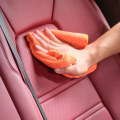
- Condition Leather Upholstery: If your car has leather seats, use a leather conditioner regularly. This not only helps maintain the leather's suppleness but also provides an additional layer of protection against sun damage.
- Cover Seats: Consider using seat covers made from UV-resistant materials. These covers can shield your upholstery from direct sunlight and reduce fading over time.
- Park Smart: Whenever possible, park in shaded areas or use a windshield sunshade.
This simple step can significantly reduce the amount of direct sunlight that enters your vehicle, protecting both the dashboard and upholstery.
FAQs About Car Protection from Sun Damage
When it comes to car protection from sun damage, many car owners have questions about the best practices and products to use. Here are some frequently asked questions that can help you better understand how to care for your car's interior.What are the signs of sun damage in a car's interior?
Common signs of sun damage include:- Fading upholstery: The color of your seats may become dull or discolored.
- Cracked dashboard: Prolonged exposure to sunlight can cause the dashboard material to crack and become brittle.
- Peeling leather: Leather seats may start to peel or lose their texture due to UV exposure.
How can I prevent sun damage to my car's interior?
To effectively protect your car from sun damage, consider the following tips:- Use window shades: Invest in high-quality window shades or sunshades that block UV rays when your car is parked.
- Park in the shade: Whenever possible, park your vehicle in shaded areas or use a garage to minimize direct sunlight exposure.
- Apply UV protectant: Use a UV protectant spray on your dashboard and seats to create a barrier against harmful rays.
- Covers for seats: Consider using seat covers made from UV-resistant materials to shield your upholstery.
How often should I clean and maintain my car's interior?
Regular cleaning and maintenance are crucial for car protection. This includes vacuuming, wiping down surfaces with appropriate cleaners, and applying protectants as needed.Regular maintenance helps prevent dirt buildup and prolongs the life of your interior materials.If you have further questions about protecting your vehicle from sun damage, consult with a professional detailer or automotive specialist for tailored advice.
Conclusion: Key Takeaways for Protecting Your Car's Interior
In conclusion, protecting your car's interior from sun damage is essential for maintaining its value and ensuring a comfortable driving experience. By implementing the strategies discussed, you can significantly reduce the risk of fading, cracking, and other forms of deterioration caused by harmful UV rays. Here are the key takeaways to remember:- Use window tinting: Applying a high-quality window tint can block a significant percentage of UV rays, helping to keep your car's interior cooler and more protected.
- Invest in sunshades: Utilizing sunshades when parking can shield your dashboard and seats from direct sunlight, preventing heat buildup and fading.
- Regular cleaning and conditioning: Keeping your interior clean and using appropriate conditioners for leather or vinyl surfaces can help maintain their integrity and appearance.
- Park strategically: Whenever possible, park in shaded areas or use covered parking to minimize sun exposure.
- Consider seat covers: High-quality seat covers not only protect against UV damage but also add an extra layer of comfort and style.