When it comes to maintaining the aesthetic appeal and longevity of your vehicle, understanding the risks posed by tree sap and other environmental hazards is crucial. Tree sap, while a natural substance, can wreak havoc on your car's exterior if left untreated. It can harden and bond with the paint, leading to unsightly blemishes that are not only difficult to remove but can also cause permanent damage over time. This sticky substance is just one of many threats that your car faces from the environment.In addition to tree sap, various environmental factors such as bird droppings, acid rain, and UV rays can significantly impact your vehicle's finish.
Bird droppings contain acids that can etch into the paint, while prolonged exposure to sunlight can fade colors and degrade protective coatings. These hazards highlight the importance of proactive car protection measures to safeguard your investment.By recognizing these threats early on, you can take steps to mitigate their effects and preserve your car's exterior. Whether it's through regular washing, applying protective coatings, or parking in shaded areas, understanding the risks allows you to implement effective strategies for maintaining your vehicle's appearance and value. In the following sections, we will explore practical solutions to protect your car from these environmental challenges.
The Impact of Tree Sap on Your Car's Finish
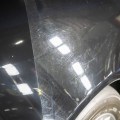
Tree sap can pose a significant threat to your car's exterior, leading to damage that may be costly to repair.Understanding the chemical composition of tree sap is essential in recognizing how it interacts with your vehicle's paint. Tree sap is primarily composed of sugars, acids, and various organic compounds. When it drips onto your car, it can harden and bond with the paint surface, making it difficult to remove. The longer the sap remains on the paint, the more damage it can cause. This is particularly true for clear coat finishes, which are designed to protect the underlying paint but can be compromised by the acidic nature of tree sap. The effects of tree sap on different types of paint can vary:
- Single-stage paint: This type of paint lacks a protective clear coat, making it more susceptible to staining and etching from tree sap.
- Clear coat paint: While this offers some protection, prolonged exposure to tree sap can still lead to dullness and discoloration.
- Matte finishes: These are particularly vulnerable as they lack gloss and can absorb sap more readily, leading to permanent stains.
If left untreated, this can lead to a deterioration of your car's finish over time. To mitigate these risks, it's crucial to regularly wash your car and promptly remove any tree sap that may land on its surface. Using a specialized car paint protection product can also help create a barrier against environmental hazards like tree sap.
Common Environmental Hazards That Affect Your Car's Exterior
When it comes to car protection, understanding the various environmental hazards that can damage your vehicle's exterior is crucial. Several factors can contribute to the deterioration of your car's paint and finish, leading to costly repairs and decreased resale value.UV Rays
One of the most significant threats to your car's exterior is ultraviolet (UV) rays. Prolonged exposure to sunlight can cause the paint to fade, lose its luster, and even lead to oxidation.This not only affects the aesthetic appeal of your vehicle but can also weaken the protective layers of paint, making it more susceptible to other forms of damage.
Bird Droppings
Bird droppings are another common environmental hazard that can wreak havoc on your car's finish. The acidic nature of bird waste can etch into the paint if not cleaned promptly. Over time, this can lead to permanent stains and damage that may require professional detailing or repainting.Acid Rain
Acid rain is a less visible but equally damaging environmental factor. It occurs when pollutants in the atmosphere mix with rainwater, creating a corrosive solution that can harm your car's exterior.Acid rain can strip away wax and protective coatings, leaving your vehicle vulnerable to further damage from other elements.To effectively protect your car from these environmental hazards, regular maintenance is essential. This includes washing your car frequently, applying high-quality wax or sealants, and parking in shaded areas whenever possible. By taking these proactive steps, you can significantly extend the life of your vehicle's exterior and maintain its value over time.
Preventive Measures: How to Protect Your Car from Tree Sap and Other Hazards
Protecting your car's exterior from tree sap and other environmental hazards requires a proactive approach. Here are some effective car protection tips to help you maintain your vehicle's finish:- Regular Washing: Frequent washing is essential to remove contaminants like tree sap, dirt, and bird droppings.
Aim to wash your car at least once every two weeks, or more often if you park under trees.
- Use a Quality Wax: Applying a high-quality wax creates a protective barrier on your car's paint. This not only enhances the shine but also makes it easier to remove sap and other residues.
- Consider Paint Sealants: For long-lasting protection, consider using a paint sealant. Unlike traditional wax, sealants can last for several months, providing a durable shield against environmental hazards.
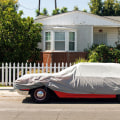
- Park Wisely: Whenever possible, avoid parking under trees or in areas where sap is likely to fall. If you must park near trees, consider using a car cover for added protection.
- Immediate Cleanup: If you notice tree sap on your car, clean it off as soon as possible.
Use a soft cloth and a specialized sap remover or rubbing alcohol to gently lift the sap without damaging the paint.
Choosing the Right Products for Car Protection
When it comes to car protection, selecting the right products is crucial for maintaining your vehicle's exterior against tree sap and other environmental hazards. Here’s a breakdown of some of the most effective options available:Car Wax
Car wax is one of the oldest and most popular methods for protecting your vehicle's paint. It creates a barrier that repels water and contaminants, including tree sap.Look for high-quality natural waxes, such as carnauba wax, which not only provide a deep shine but also offer excellent protection. Regular application every few months can keep your car looking pristine.
Sealants
Sealants are synthetic products designed to bond with your car's paint, providing a longer-lasting protective layer compared to traditional wax. They can last up to six months or more, making them a convenient option for busy car owners. Many sealants also enhance the gloss of your vehicle while offering resistance to UV rays and environmental pollutants.Protective Coatings
Protective coatings, such as ceramic coatings, are becoming increasingly popular due to their durability and effectiveness.These coatings form a strong chemical bond with the paint, creating a hydrophobic surface that repels water, dirt, and tree sap. While they require a more involved application process, the results can last for several years, making them an excellent investment for long-term car protection.
Best Products for Car Protection
- Meguiar's Ultimate Liquid Wax: A top-rated car wax known for its ease of use and long-lasting shine.
- Ceramic Pro: A professional-grade ceramic coating that offers unparalleled protection against environmental damage.
- Griot's Garage Best of Show Sealant: A highly regarded sealant that provides excellent gloss and durability.
- Turtle Wax Hybrid Solutions Ceramic Spray Coating: An easy-to-apply spray that offers ceramic-level protection without the hassle.
Regular Maintenance: Keeping Your Car Safe from Damage
To effectively protect your car's exterior from tree sap and other environmental hazards, regular maintenance is essential. This includes consistent washing and detailing, which not only enhances the appearance of your vehicle but also prevents long-term damage.Regular Washing
- Frequency: Aim to wash your car at least once every two weeks.
If you live in an area with heavy tree cover or frequent rain, consider increasing this frequency.
- Technique: Use a pH-balanced car wash soap and a soft sponge or microfiber cloth to avoid scratching the paint. Rinse thoroughly to remove all soap residue.
- Drying: Always dry your car with a clean microfiber towel to prevent water spots and streaks.
Detailing Services
- Professional Detailing: Investing in professional detailing services at least twice a year can provide a deeper clean and protective coatings that shield against sap and other contaminants.
- Waxing: Regular waxing creates a barrier between your car's paint and environmental hazards. A good wax can last several months, providing ongoing protection.
- Sealants: Consider using paint sealants for longer-lasting protection compared to traditional wax. These products bond with the paint and offer enhanced durability against tree sap.
This proactive approach not only preserves your vehicle's aesthetic appeal but also maintains its value over time.
FAQs About Car Protection from Tree Sap and Environmental Hazards
When it comes to car protection from tree sap and other environmental hazards, many car owners have questions. Here are some of the most frequently asked questions:- What is tree sap, and why is it harmful to my car?
Tree sap is a sticky substance produced by trees, often containing sugars and resins. When it drips onto your car, it can harden and bond with the paint, leading to potential damage if not removed promptly. - How can I remove tree sap from my car?
To safely remove tree sap, use a soft cloth and a specialized sap remover or rubbing alcohol. Gently rub the affected area until the sap dissolves, then wash and wax the area to restore protection. - What preventive measures can I take against tree sap?
Consider parking your car away from trees whenever possible.Additionally, applying a high-quality wax or sealant can create a protective barrier against sap and other contaminants.
- Are there other environmental hazards I should be aware of?
Yes, bird droppings, acid rain, and UV rays can also damage your car's exterior. Regular washing and waxing can help mitigate these risks. - How often should I wax my car for optimal protection?
It’s recommended to wax your car every three months to maintain a strong protective layer against environmental hazards.
Conclusion: Key Takeaways for Protecting Your Car's Exterior
In conclusion, protecting your car's exterior from tree sap and other environmental hazards is essential for maintaining its appearance and value. By implementing the strategies discussed throughout this article, you can significantly reduce the risk of damage and keep your vehicle looking its best.Regular Maintenance: Consistent washing and waxing are crucial. Regularly cleaning your car helps remove contaminants like tree sap before they can cause lasting harm.A good wax not only enhances shine but also provides a protective barrier against environmental elements.Use Protective Products: Investing in high-quality car protection products such as sealants and ceramic coatings can offer long-lasting defense against tree sap, bird droppings, and UV rays. These products create a strong shield that makes it easier to clean off any debris without damaging the paint.Parking Considerations: Whenever possible, park your car in a garage or under a carport to shield it from falling sap and other natural debris. If parking outdoors is unavoidable, consider using a car cover designed for outdoor use to provide an extra layer of protection.Immediate Action: If you do encounter tree sap on your vehicle, act quickly. Use a specialized sap remover or a gentle solvent to treat the area promptly.
The longer sap sits on the paint, the more difficult it becomes to remove without causing damage. By following these key takeaways, you can ensure that your car remains in excellent condition despite the challenges posed by tree sap and other environmental hazards. Remember, proactive care is the best way to protect your investment and enjoy your vehicle for years to come.